
Stormwaterstormwater
Video Transcript — Stormwater Pollution Prevention
When rain or water hits hard surfaces like pavement, it creates stormwater runoff. This picks up nasty pollution and drains out to the rivers, streams, and lakes that hold our drinking water. This pollution is not treated or removed, so it's up to each of us to keep it clean and fresh from the start.
Here's some things we can all do to stop stormwater pollution.
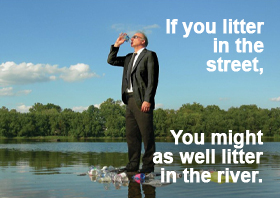
Litter and trash: Litter and trash that aren't disposed of properly can injure, choke, or kill ducks, fish, turtles, and other animals and make our environment look bad. Always throw your trash or recycling into the correct waste can.
Pet waste: Come on, nobody likes to step in poo. Pet waste can spread disease and contaminate our water sources. Never let your dog roam freely to use the bathroom, and always scoop your pooch's poop and throw it away in the garbage can.
Yard waste: Grass clippings, leaves, and other yard waste can clog our storm drains and create serious flooding in your neighborhood. It also creates a mess in the nearest stream or pond where it ends up. Always mulch your clippings back into the lawn or bag them for pickup.
Pesticides and fertilizers: Using too much pesticides and fertilizer doesn't help your plants grow, and it sure hurts the environment, too. These chemicals wash into the storm drains and cause toxic algae to build up and kill fish. Always read and follow the directions carefully.
Household hazardous waste: Everyday things like household chemicals, cooking grease, paint, and even medicines poison our waters when they get into the storm drain. Never dump these pollutants in the sink or outside, and always check your local regulations to learn how to dispose of them properly.
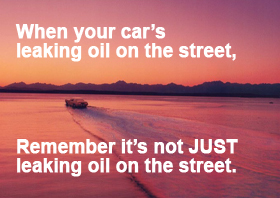
Vehicle maintenance: Motor oil, gasoline, and soapy water from washing cars ends up in our storm drains and water supply where they can make people and animals sick. Never allow these pollutants to go into the street or storm drain when working on your car, and always dispose of them properly.
So, to sum it all up, polluted stormwater can make our waters toxic and unsafe. But if each of us makes some small changes, we can prevent stormwater pollution and make sure our waters are clean and our environment is healthy for all of us.
Stormwater Pollution
Contact The Stormwater
Municipal Building
Lakewood, NJ 08701